
Dentures – York, PA
Get a New, Completely Whole Smile

If you’re missing your teeth, you’re probably well aware of the toll that that can take. It can make it so much harder to smile with confidence, to eat what you’d like, and even to talk with ease.
That’s why dentures are so impactful. They’re capable of giving patients with rampant tooth loss a new, completely whole smile. If you’re near York, PA, the team here at Aesthetic Dental Arts can give you a prosthetic perfectly suited to you. Make an appointment with us today and we’ll let you know what this can do for you.
Why Choose Aesthetic Dental Arts for Dentures?
- Digital Impressions for Accurate, Realistic Prosthetics
- Experienced Dentist who will Attend Closely to your Needs
- Capable of Placing Dental Implants
Who Is a Good Candidate for Dentures?
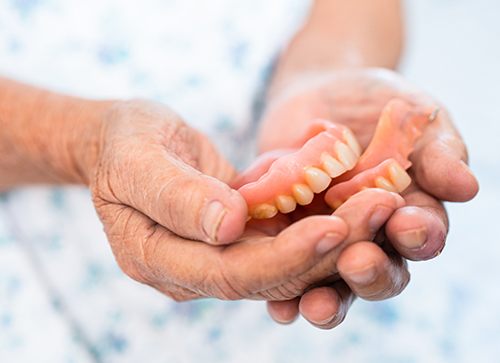
There are a variety of methods of tooth replacement out there, but dentures are particularly adept at replacing many teeth all at once. If you’ve lost most of yours, you might have problems with eating, talking, or just projecting your best self. This one prosthetic can completely reverse that.
On the other hand, patients who are missing only one or two teeth might prefer another method of tooth replacement. It’s also important that you have healthy gums if you want dentures, and if you don’t preliminary treatment may be necessary.
Types of Dentures
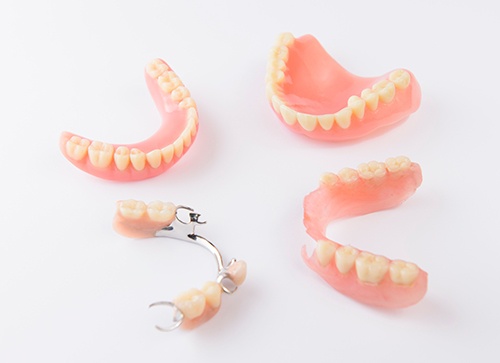
There are several different types of dentures, and each one of them is best suited to a different kind of patient. We’ll be able to give you a personalized recommendation for you when we meet, but here’s a brief overview of the options available to you.
Partial Dentures
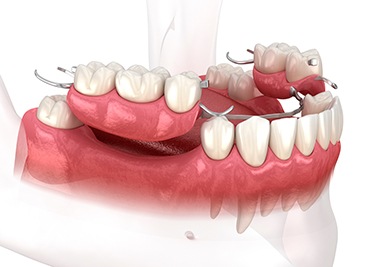
Partial dentures are meant for patients who are missing some, but not all, of their teeth. They consist of false teeth placed onto a metal base, and includes small metal clasps that allow you to attach them to the teeth.
Full Dentures
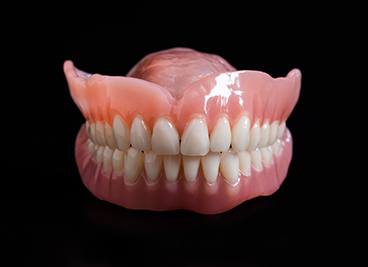
Full dentures, on the other hand, are meant for patients who are missing all of their teeth on a certain gum ridge. That being the case, there’s nothing for them to attach to; they are designed to adhere purely to the gums entirely via suction. The base of the dentures are made from acrylic and are meticulously molded to fit your mouth.
Implant Dentures
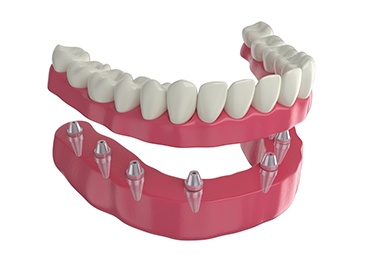
Implant dentures are a great option for patients who want the coverage of dentures but the stability of dental implants. This involves attaching a prosthetic to metal posts implanted into the jaw, affording them much greater bite strength and durability.
The Benefits of Dentures

When you don’t have a full set of teeth, it can be difficult to complete daily tasks such eating, speaking clearly, and even smiling confidently. Dentures aren’t just a prosthetic set of teeth, they’re a life-changing option for patients who are missing several, most of, or all their natural teeth, because they can vastly improve your quality of life by providing the following benefits:
Psychological Benefits

It can be hard for people who have lost their teeth to fully accept this type of loss. This can often cause low self-esteem, sadness, and depression, as well as negative effects on your social life.
When you restore the appearance and function of your smile with the help of dentures, you’ll benefit from a boost in self-esteem and confidence. Replacing lost teeth can reduce anxiety about your appearance, speech articulation, chewing capabilities, and more in social settings.
Clearer Enunciation

When you’re missing teeth, it can be harder to enunciate properly. To pronounce words correctly, your lips and tongue need to be positioned in the right way. When you cannot touch your tongue to your teeth, some words can be extremely difficult to pronounce clearly.
When you replace your missing teeth with dentures, your tongue can once again touch the correct points on your teeth to allow you to enunciate properly. With just a brief adjustment period and a bit of practice, speaking will come naturally with your new prosthetics.
Improves Nutrition

Many nutritious foods are tough in texture, such as certain vegetables, fruits, and healthy proteins. If you are missing your teeth, these foods become difficult to chew. This can in turn lead to other problems like indigestion and malnutrition.
When you restore your ability to chew with dentures, you can once again enjoy a more expansive diet, rich in nutritious, delicious foods you may have had to turn down in the past. Thus, your dentures can assist your body in receiving the essential nutrients required for optimal overall health.
Preserves Oral Health

If you still have remaining natural teeth, getting a new pair of dentures can prevent them from shifting to other areas of your mouth. Furthermore, because your dentures can bear some of the weight of regular chewing, they can help reduce the wear and tear on your existing teeth.
Expands Opportunity

Your smile is your calling card, and one of the first things people notice about you. Whether it’s a job interview, a big promotion, or a first date, it’s essential to make a good first impression, and having a confident, healthy smile is a major advantage!
Understanding the Cost of Dentures
Dentures are a reliable and long-lasting solution for replacing missing teeth. On top of working similarly to natural teeth, they can also be constructed to appear exactly like your normal pearly whites. Before committing to the treatment, you’ll want to know what you should expect from the price of the process. Here are a few things to keep in mind regarding the cost of dentures.
Factors That Affect the Cost of Dentures
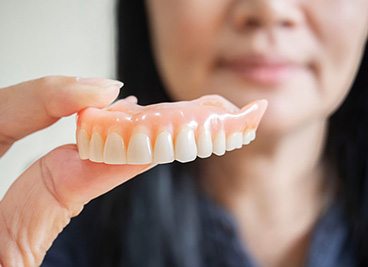
Several elements can affect the overall cost of your dental prosthetics, including:
- Preliminary Treatments: If you need procedures to prepare your mouth for dentures, like treating gum disease or removing teeth, these steps can increase the total price of your care.
- Type of Denture: Dentures are available in various styles and sizes, which can affect their price. Partial dentures generally cost less than full dentures, while implant-supported dentures are higher in price due to the minor surgical procedure required beforehand.
- Materials: Different materials are used to craft dentures, and each carries its own price.
Remember that lower cost options may not provide the lasting, natural appearance you want. Often, investing more results in durable, realistic replacements that reduce the need for early repairs or adjustments, which can save you more money over time.
Are Implant Dentures More Expensive?
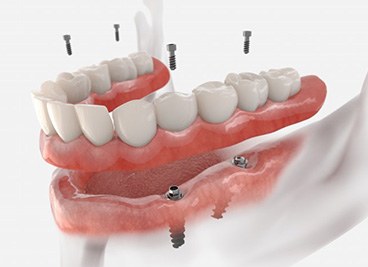
Implant dentures typically cost more than traditional dentures because they require placing dental implants into the jawbone through a minor surgical procedure. This investment, however, provides greater stability and long-lasting results due to the metal posts, and you won’t need to worry about your dentures slipping or limiting what you can eat. Feel free to speak with your dentist about which option best suits your needs.
Does Dental Insurance Cover Dentures?

Many dental insurance plans offer partial coverage for dentures, as they are considered a major restorative service. Typically, you can expect your plan to cover roughly half of the total cost of your treatment. Make sure to review your policy with your provider or our front desk team to fully understand your benefits and avoid surprises.
Other Options for Making Dentures Affordable

If you do not have insurance, our team can discuss alternative ways to manage the cost of dentures. Our practice can offer plans through CareCredit financing—a third-party financier that can spread the cost of your treatment into manageable monthly payments. These installments also come with little to no interest, meaning you can worry more about renewing your smile instead of breaking the bank!
Dentures Aftercare
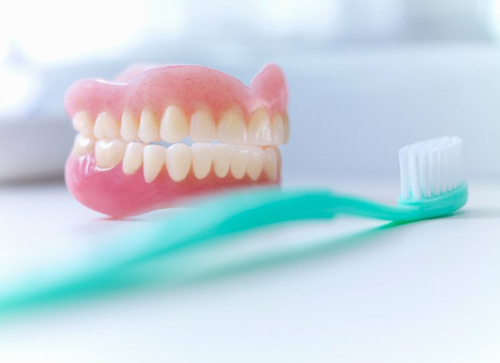
Taking good care of your dentures in York will help them last longer, function better, and look brighter! By following our maintenance tips, you’ll also be doing your budget a favor, as you’ll be less likely to need frequent appointments for repairs or replacements.
The instructions we give you will look a bit different depending on whether you have removable dentures (traditional) or fixed dentures (as is sometimes the case with implant dentures). You can learn more about aftercare for each type by reading the information we’ve put together below or calling our office directly.
Removable Dentures
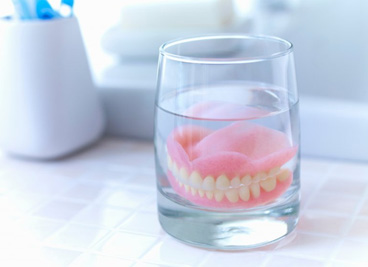
Remove After Eating
After you eat, you should remove your dentures and give them a good rinse with room-temperature water. This protects your oral health by preventing food particles and bacteria from building up between meals. You’ll also be better able to enjoy your next treat – removing food particles helps eliminate unpleasant aftertastes!
Clean Your Restoration
In addition to these post-meal rinses, you should brush your dentures at least once per day to more thoroughly clean bacteria from your restoration. It’s best to brush them by taking them out of your mouth, using a soft-bristled toothbrush, and gently scrubbing them with hand soap – not toothpaste.
You can also soak your restoration in a denture cleaning solution to help dislodge stubborn debris.
Keep Your Dentures Safe
One accident is all it will take to crack or break your dentures. Keep them safe by storing them out-of-reach of children and pets, and place a soft towel over your countertop when cleaning them, just in case you lose your grip.
Remove When You Sleep
While it’s perfectly safe to wear your dentures during the day, they’re not meant to be worn 24/7. Because they’re suctioned to your gums, they restrict circulation to your oral tissue. Taking them out at night gives your gums essential time to rest.
Notice Changes
Over time, the shape of your jawbone will naturally change. As a result, your dentures may not fit as well as they used to. When this happens, call us right away so we can reline or replace them.
Please don’t hesitate to notify us if you notice any other changes in your oral health. Some abnormalities can be quite serious, and we’re here to help you monitor your smile!
Fixed Dentures

If you have a “fixed” denture, that simply means you won’t be able to take your restoration out of your mouth. In this case, do not attempt to remove them on your own. Instead, follow these aftercare tips:
- Brush your teeth twice-daily with a soft-bristled toothbrush and non-abrasive toothpaste.
- Floss between your teeth once per day with traditional floss, a water flosser, or threaders.
- Use a sulcus brush to clean the space between your restoration and gums.
- Rinse your mouth with a non-alcoholic mouthwash at least once per day.